Blog |
Direct message automation is one of the most misunderstood areas of Instagram marketing. Some accounts use it without issues for months. Others receive action blocks within days of starting. The difference is not luck — it is a combination of method, volume, message content, and the quality of the account's underlying audience.
This guide covers the current state of DM automation in 2026: what Instagram's official tools allow, where third-party tools operate in gray areas, what triggers restrictions, and how to use DM outreach without putting the account at risk.
Instagram's Official DM Automation Tools
Instagram's native automation is available through the Business inbox via Meta Business Suite. The official tools include:
These tools are safe by definition — they operate within Instagram's own infrastructure and comply with all platform policies. They are also limited: they only respond to inbound messages and cannot initiate outbound contact.

[Screenshot: Meta Business Suite inbox automation settings panel]
Story Reply Automation: The 2026 Standard
The most significant development in Instagram automation since 2024 is the normalization of Story reply automation. When a user replies to a Story or reacts to it with a specific emoji, a triggered DM can be sent automatically — within Instagram's official Messenger API.
This mechanism is now used by a large number of creators and businesses to distribute lead magnets, links, discount codes, and other resources. The workflow:
This approach is compliant, scales without volume risks, and creates higher-quality interactions than cold outreach because the user initiates the contact.
Third-Party DM Automation: The Risk Landscape
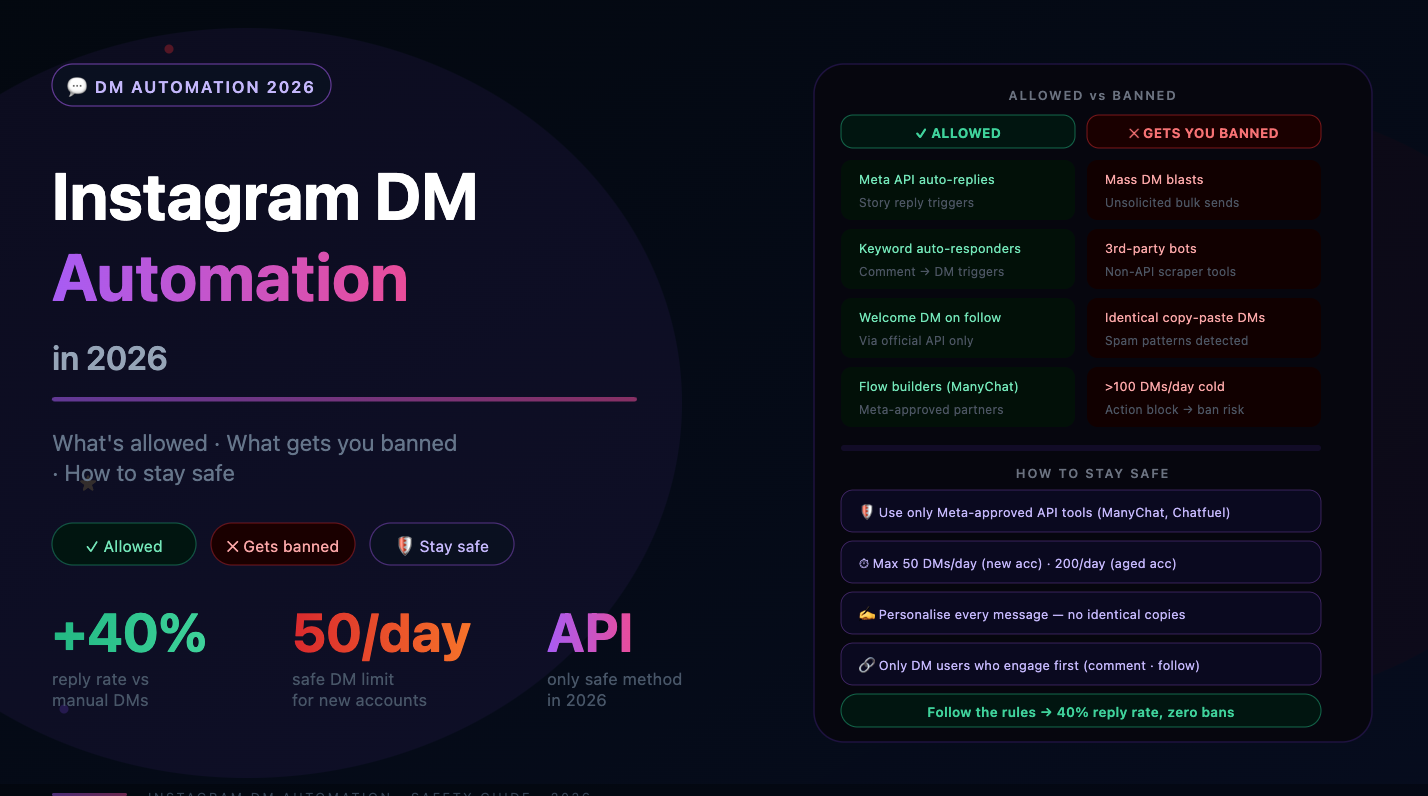
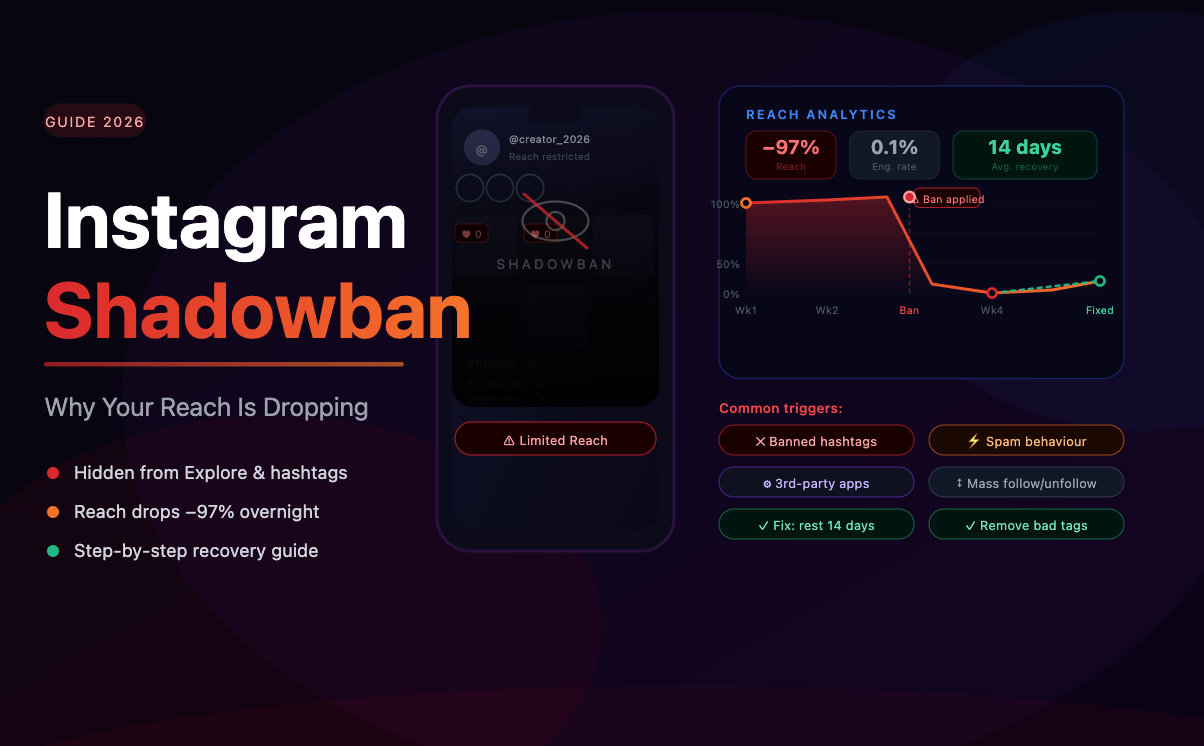
Third-party tools that send outbound DMs — messaging accounts that have not initiated contact — operate outside Instagram's official API and carry meaningful risks. Instagram's detection systems in 2026 are significantly more sophisticated than in previous years. They monitor:
The consequence of triggering these filters ranges from a 24-hour DM block to a permanent restriction on messaging capabilities.
Volume Limits That Reduce Risk
For accounts that use third-party automation or manual high-volume outreach, staying within these limits significantly reduces restriction risk:
Message Content That Triggers Spam Filters
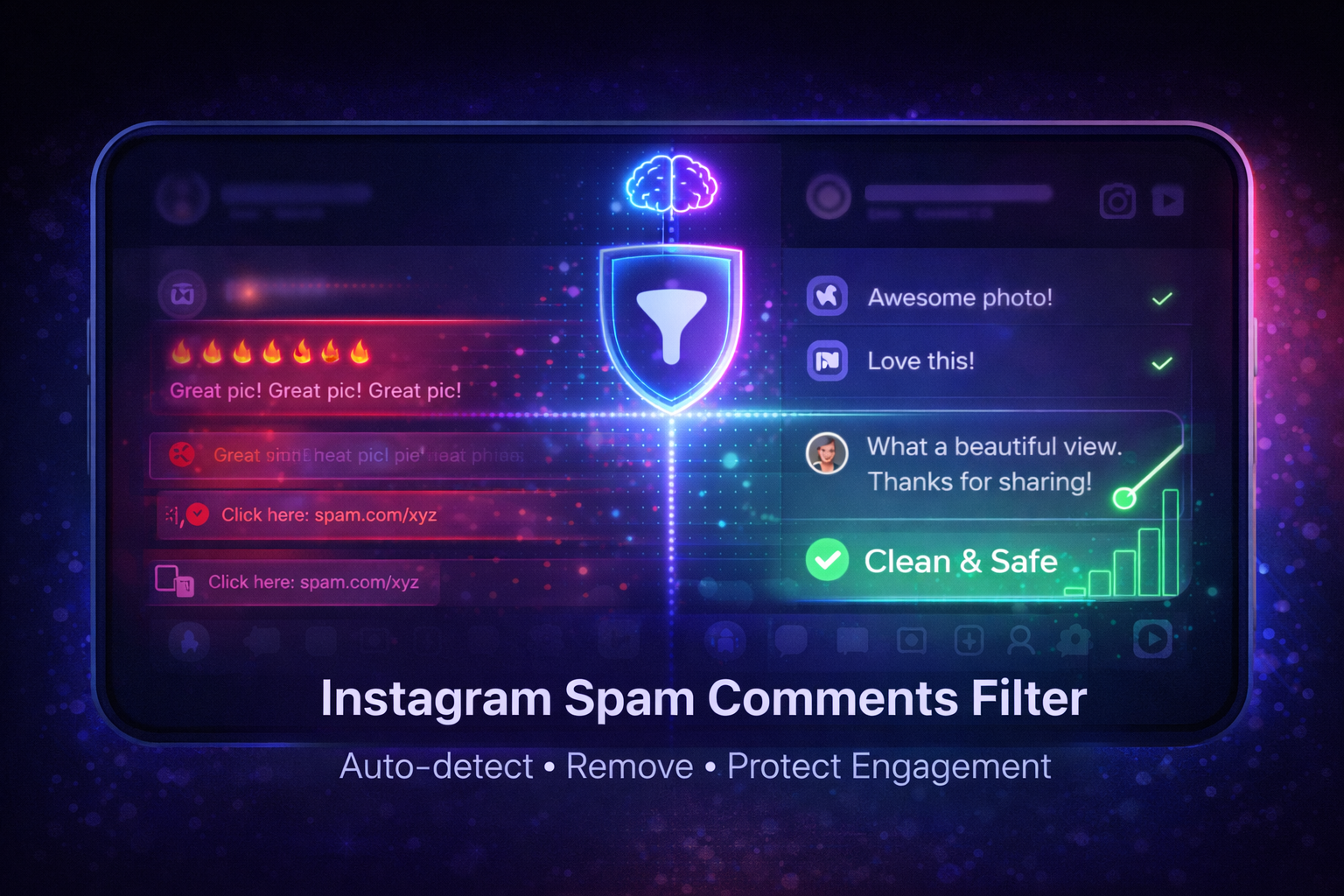
Beyond volume, message content is the second primary trigger for DM restrictions. Messages that consistently generate no response or spam reports train Instagram's system to treat the account as a spam source. Content to avoid:
What works better: a genuine, specific opener that references something observable about the recipient's account ('Saw your post on [topic] — had a quick question'), followed by a request rather than an immediate offer.
The Audience Quality Factor in DM Deliverability
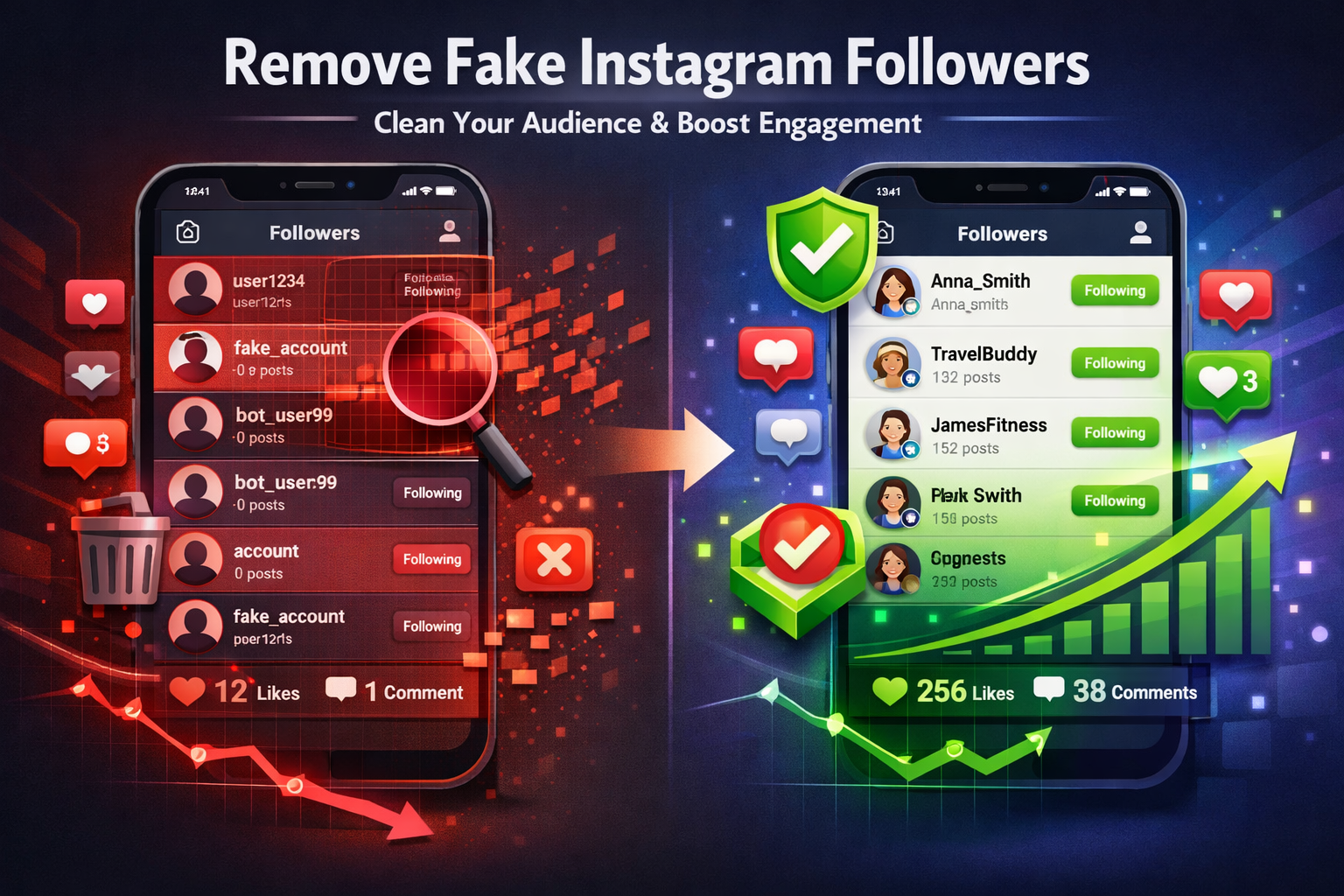
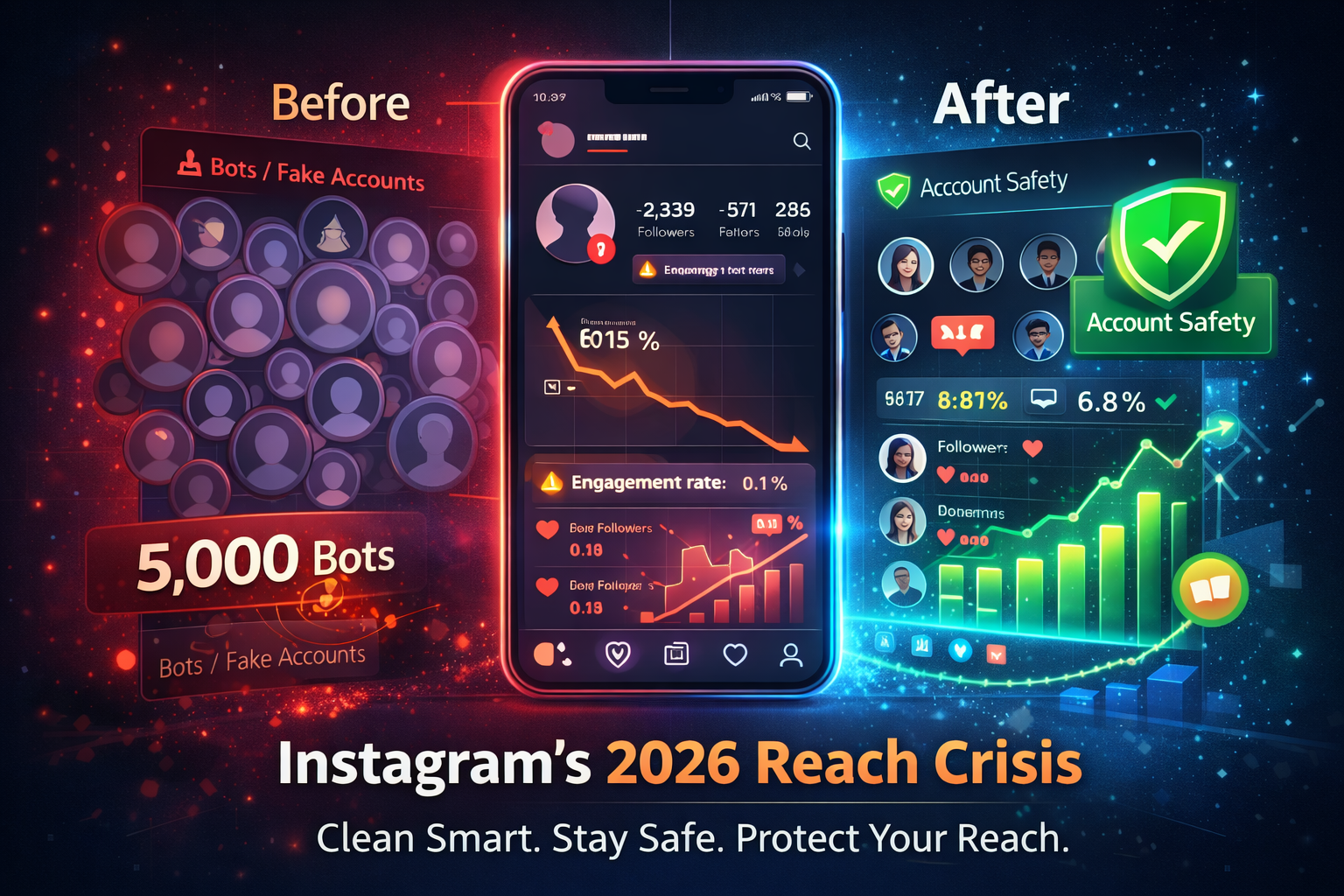
An overlooked variable in DM performance is the quality of the account's follower base. Accounts with a high proportion of bot or spam followers receive outbound DMs that land in the recipient's message requests — or are filtered out entirely — at higher rates. This is because Instagram's spam scoring considers the sender account's overall quality profile, not just the message itself.
Accounts with clean, active follower bases have better DM deliverability. Their messages are more likely to appear in the primary inbox rather than message requests, and their spam score remains lower.
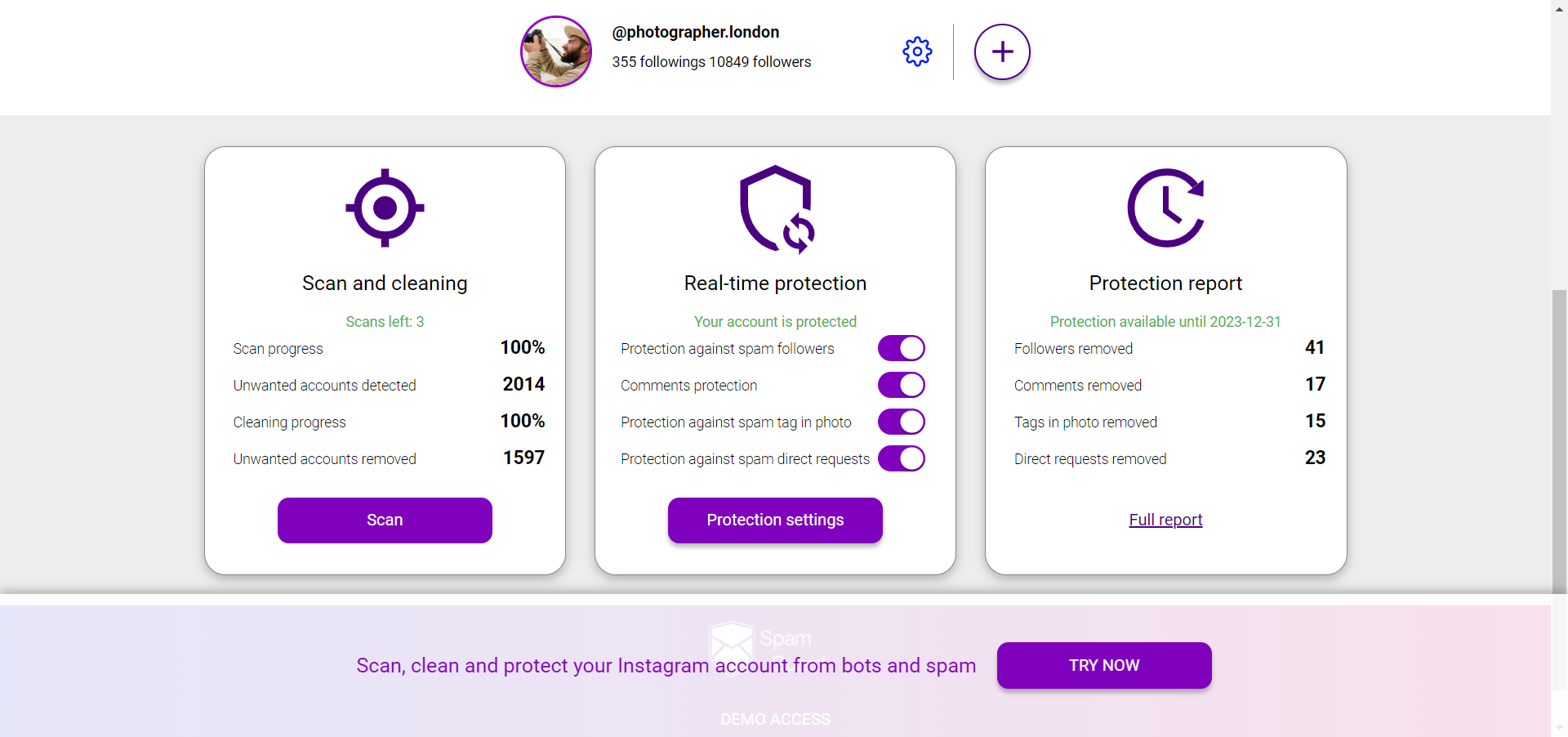
SpamGuard analyzes follower accounts for bot behavior, inactivity, and spam signals, then removes flagged accounts in safe batches. Cleaning the follower base improves the account's overall quality score — which affects DM deliverability alongside reach and engagement metrics.
Check your account's follower quality at SpamGuard before investing in any DM outreach strategy.
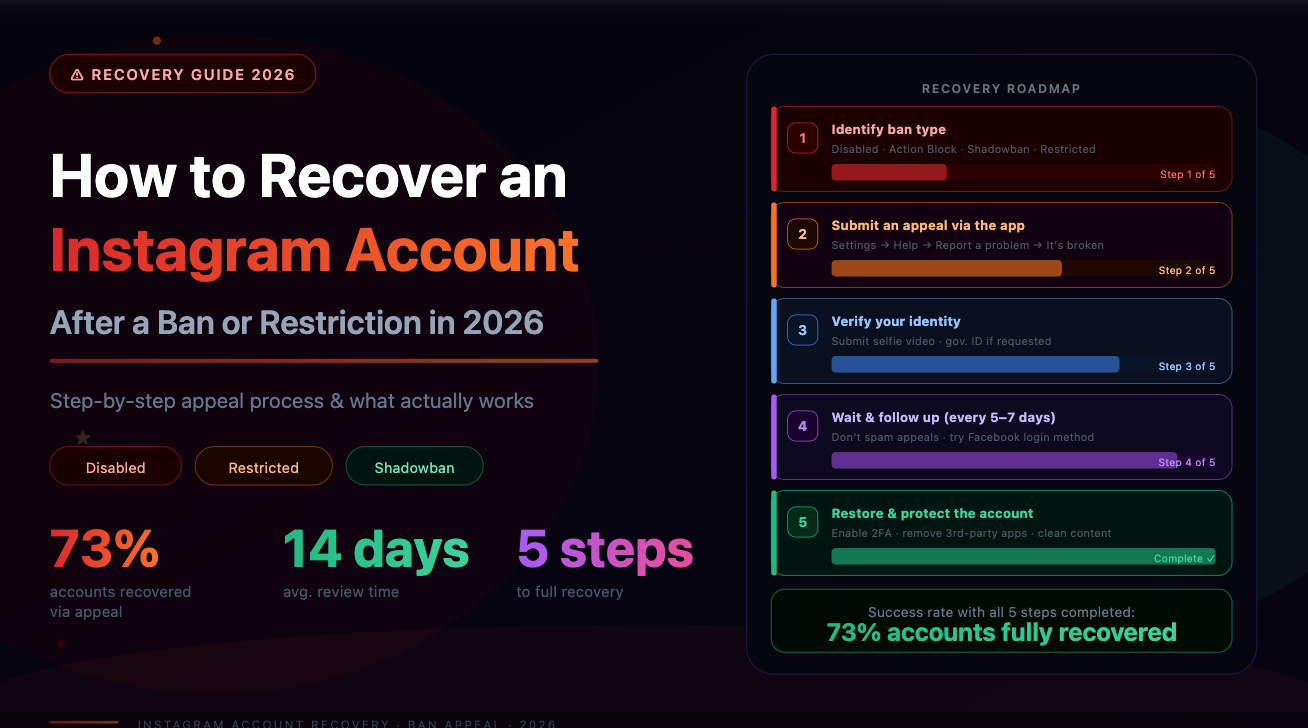
What to Do If You Receive a DM Action Block
The Sustainable DM Strategy for 2026
The most durable approach to DM marketing on Instagram combines official tools for scale with genuine manual outreach for high-value targets:
This approach avoids the risks of third-party automation while capturing most of the value that automation is used for.
Conclusion
DM automation on Instagram in 2026 exists on a spectrum from fully compliant (native tools, Story keyword replies) to high-risk (bulk cold outreach via third-party apps). The accounts that get restricted are not necessarily doing the most outreach — they are doing outreach in ways that trigger Instagram's spam detection: identical messages, high velocity, and cold targeting.
Underlying account quality is a consistent factor across all DM performance metrics. Clean follower bases produce better deliverability, lower spam scores, and faster recovery when restrictions occur.
SpamGuard keeps follower bases clean automatically, so DM deliverability and engagement signals stay strong. Start for free at spamguardapp.com.