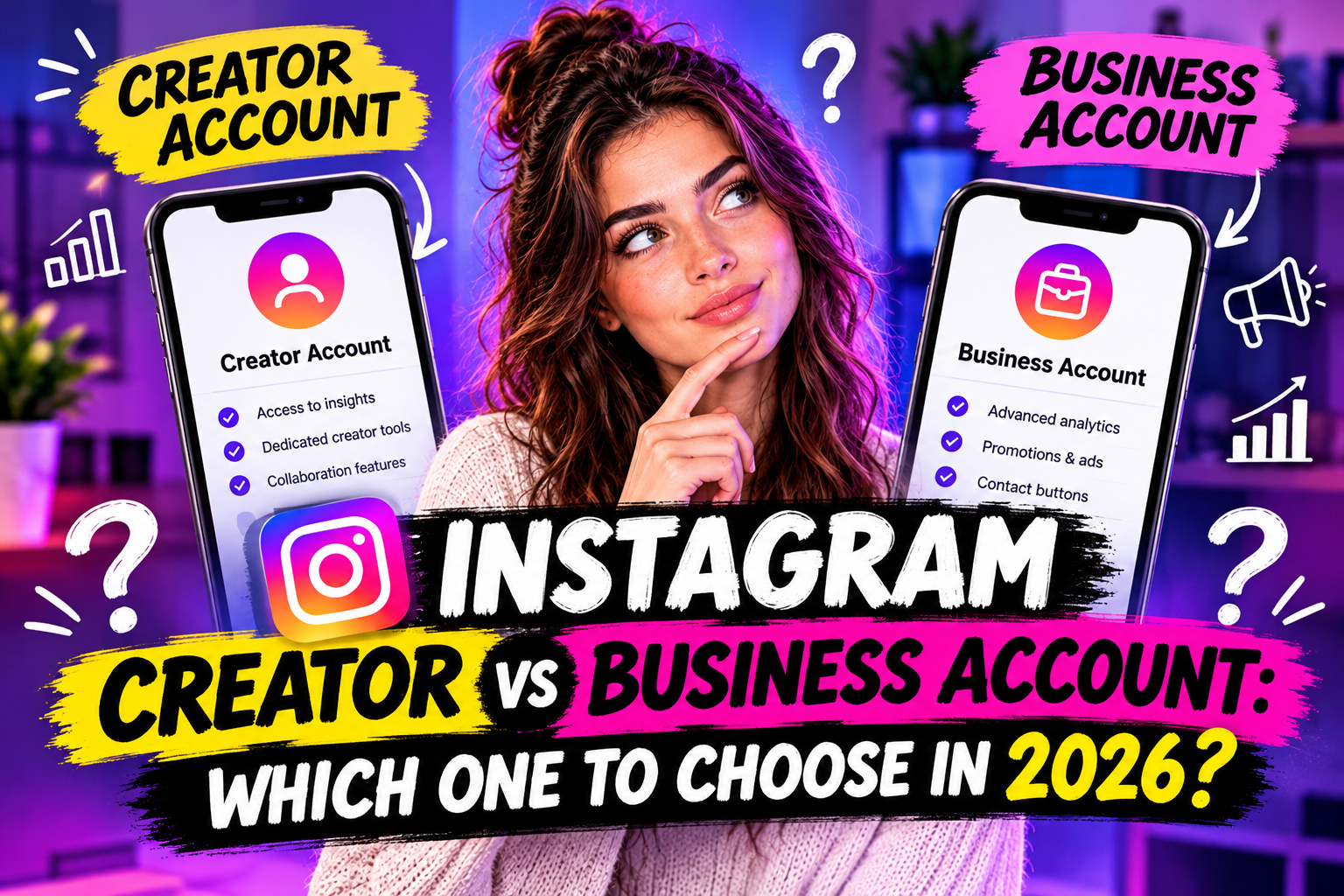
Instagram offers three account types: Personal, Creator, and Business. For anyone serious about growing on the platform — whether as an individual content creator, an influencer, or a brand — the choice comes down to Creator vs Business. Both unlock analytics and monetization features that Personal accounts lack. But they differ in meaningful ways, and the wrong choice can limit the tools available to you.
What They Have in Common
Both Creator and Business accounts share the same core advantages over Personal:
• Access to Instagram Insights (follower demographics, reach, impressions, content performance)
• Ability to run ads and boost posts
• Contact buttons on the profile (email, phone, directions)
• Access to Instagram Shopping (with approved catalog)
• Creator Studio / Meta Business Suite access
• Eligibility for Instagram's monetization programs (Badges, Subscriptions, Bonuses)
The differences lie in the details — DM management, scheduling tools, category labeling, and third-party integrations.
Creator Account: What It Adds
Flexible category labeling: Creator accounts can display a category label on their profile ("Digital creator", "Musician", "Writer") or hide it entirely. Business accounts display their business category which is less flexible.
Creator Studio inbox filtering: Creator accounts get a more sophisticated DM inbox with Primary, General, and Request folders. This matters when DM volume becomes significant — filtering collaboration requests from fan messages from customer inquiries.
Flexible contact options: Creator accounts can choose which contact buttons to display and which to hide. Business accounts display all contact info configured.
Instagram Shopping limitations: Creator accounts can tag products but have limited access to full Instagram Shop setup compared to Business accounts.
Business Account: What It Adds
Third-party scheduling tools: Business accounts connect to the full range of third-party social media management platforms (Later, Hootsuite, Buffer, etc.) through the Instagram API. Creator accounts have more limited API access.
Instagram Shopping full access: Full shop setup, product catalogs, checkout integration — Business accounts have the complete feature set.
Advertising tools: Both types run ads, but Business accounts integrate more fully with Meta Business Suite for campaign management, catalog ads, and advanced targeting.
Business address and hours: Relevant for local businesses — physical location and operating hours display on the profile.
Which to Choose
Choose Creator if you are an individual content creator, influencer, or public figure. The flexible labeling, better DM management, and personal-brand orientation fit this use case better.
Choose Business if you run an actual business selling products or services, need full Instagram Shopping functionality, or rely on third-party scheduling and social media management tools that require the Business account API access.
You can switch between account types at any time without losing followers or content. If you're unsure, Creator is the lower-commitment starting point — switching to Business later if Shopping or third-party tools become necessary is straightforward.
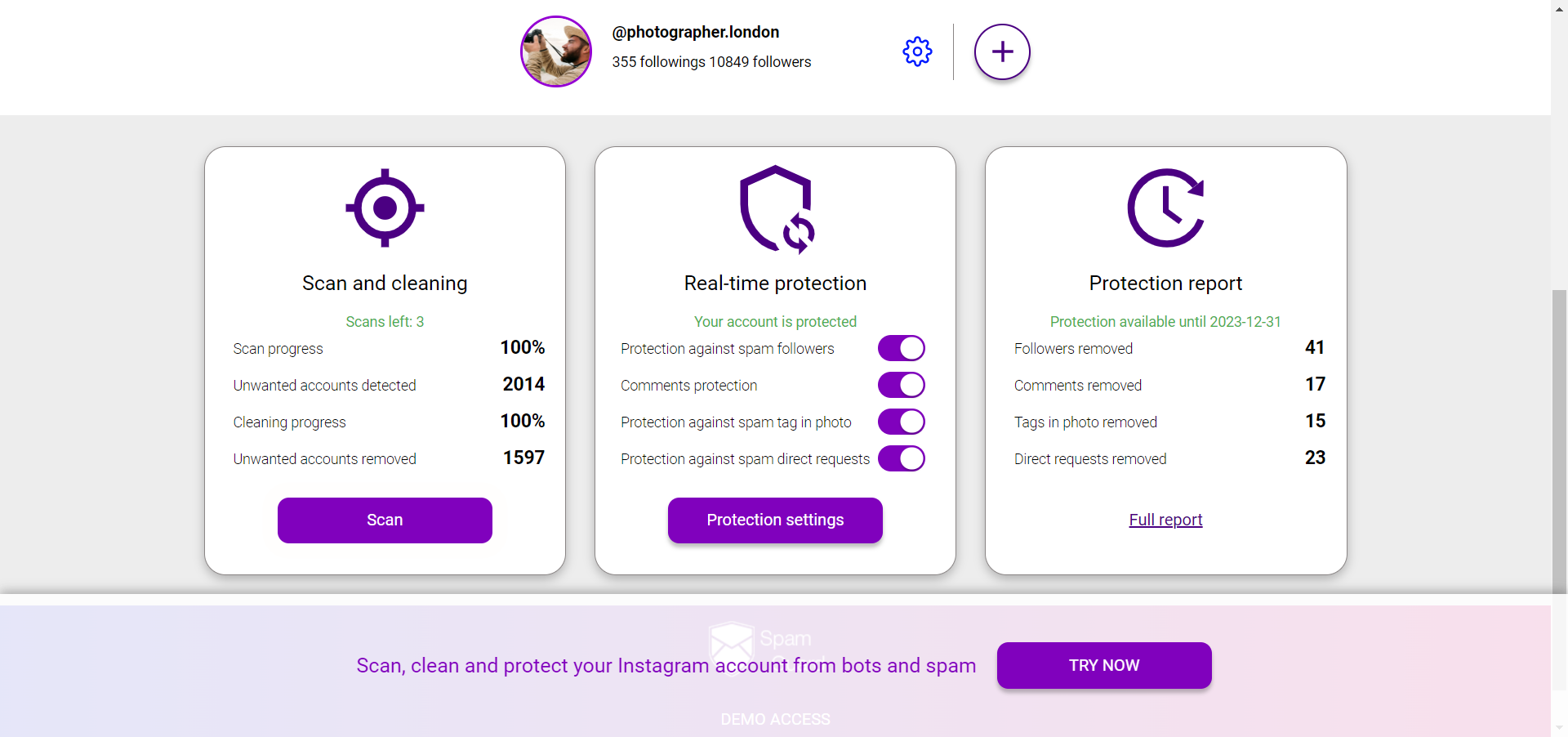
Regardless of account type, protecting your account from fake followers and spam activity that distorts your Insights data — SpamGuard.