Saves and shares are among the strongest engagement signals Instagram's algorithm uses to determine distribution. A post that gets saved tells the algorithm: this content is worth returning to. A post that gets shared tells it: this content is worth showing to new people. Captions are your primary lever for triggering both. Here is a practical breakdown of how to write captions that work.
Why Saves and Shares Matter More Than Likes
Likes are passive — a split-second tap. Saves and shares require intent. When someone saves a post, they're bookmarking it for later use. When someone shares it, they're vouching for it to their network. Instagram's algorithm weights these signals heavily precisely because they're harder to fake and harder to get.
The practical implication: a post with 200 saves and 500 likes will consistently outperform a post with 2,000 likes and 20 saves in algorithmic distribution. Optimizing for saves means optimizing for the right kind of content.
Caption Structure That Gets Saves: The Reference Format
The simplest save trigger is content people want to return to. Structure your caption as a reference — something worth bookmarking.
What works:
• Numbered lists of tips, tools, or steps — people save "5 things to do before posting a Reel" because they'll want it again
• Formulas and frameworks — "The 3-part caption formula" is more saveable than a general discussion about captions
• Checklists — "Before you post: check these 7 things" gets saved because it's reusable
• Resource compilations — "10 free tools for creating Reels" gets saved because finding those tools again takes effort
The key question to ask yourself before writing a caption: "Would I save this if I didn't write it?" If the honest answer is no — the content isn't dense enough to earn saves.
Opening Lines: The Algorithm Hook
Instagram captions are truncated after 2-3 lines on the feed. The opening determines whether someone taps "more" — which matters for saves, because people typically save after reading the full caption.
Strong openings:
• Lead with the payoff: "3 caption mistakes that are costing you saves (and what to do instead)"
• Open with a question that the target audience would answer yes to: "Spending hours writing captions that nobody engages with?"
• Start with a counterintuitive statement: "Long captions outperform short captions — but not for the reason you think"
Weak openings to avoid:
• "Today I wanted to share..." — no hook
• "Hi everyone!" — no reason to keep reading
• Starting with hashtags — they push real content below the fold
The Save Prompt
Directly asking for saves works. Many people save content reflexively when prompted — the reminder triggers the action they were already half-inclined to take.
Effective save prompts are specific: "Save this for the next time you're staring at a blank caption" performs better than generic "save this post." The specificity makes the value concrete.
Place the save prompt at the end of the caption, after you've delivered the value — not at the beginning before you've earned it.
Caption Length and Saves
There's a correlation between caption length and saves in educational and informational niches. Longer captions that deliver dense value get saved more because there's more to return to.
This doesn't mean padding. A 150-word caption with one useful insight isn't better than a 50-word caption with the same insight. The standard is: use as many words as the value requires, and not one more.
For lifestyle and entertainment content, shorter captions often perform better — the visual carries the post and the caption adds context rather than substance.
Audience Quality and Engagement Rate
Caption strategy only works at its full potential with an engaged, relevant audience. If your followers don't match your content niche, even the best caption won't generate saves at the rate it should — because the content isn't relevant to them.
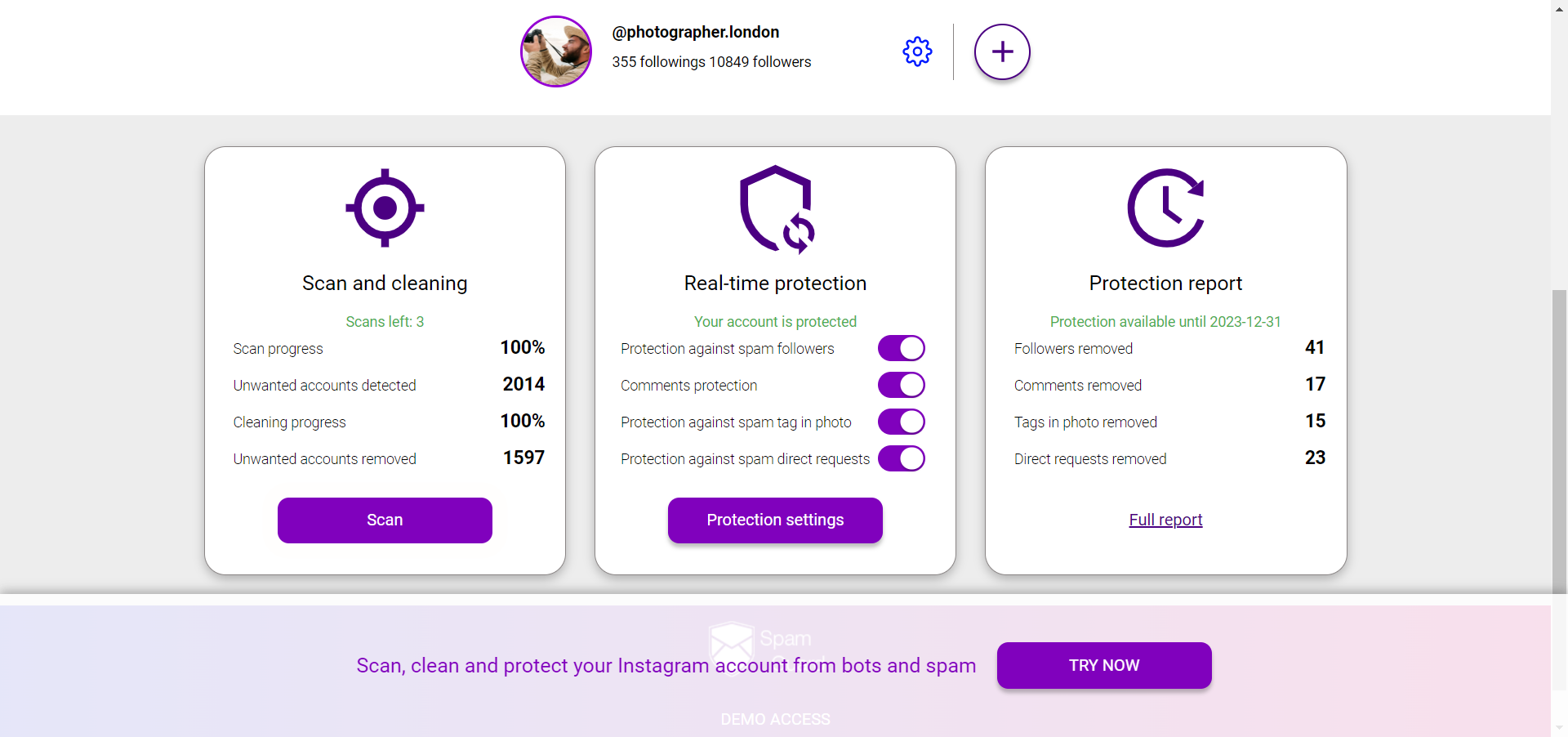
Before optimizing captions, audit your audience for bots and irrelevant accounts with SpamGuard. A cleaner audience means every engagement signal — including saves — carries more weight in the algorithm and reflects more accurate performance data.