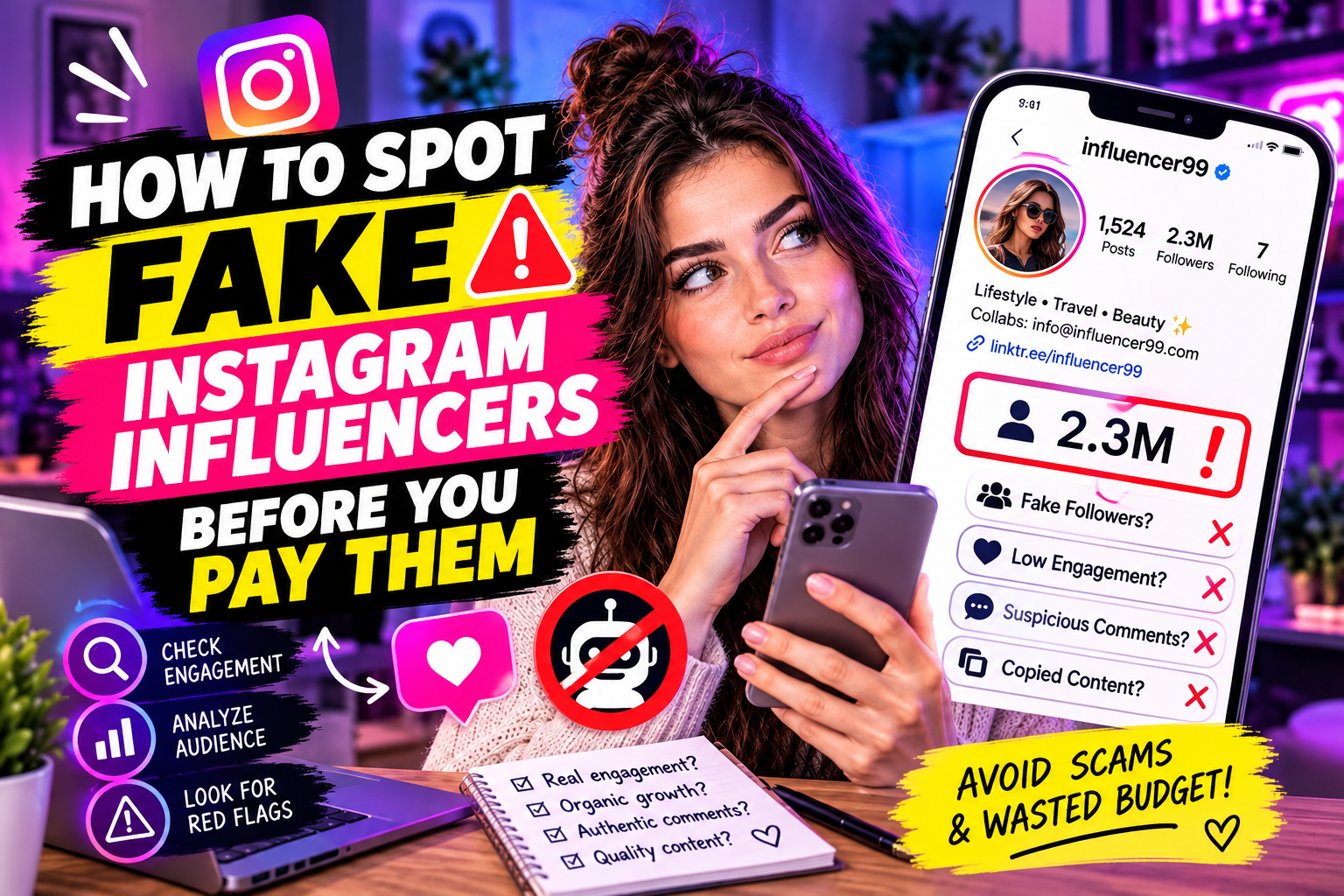
Influencer marketing fraud is a significant problem. Studies consistently estimate that 10-50% of influencer engagement is fake depending on the niche, account size, and region. For brands paying thousands for sponsored posts, the difference between an audience that buys and an audience of bots is the difference between a successful campaign and wasted budget. Here's how to audit an influencer before you pay them.
The Core Problem: Vanity Metrics Are Easy to Fake
Follower counts, likes, and even comments can be purchased cheaply. A 100K follower account can be built with purchased followers in weeks. Likes can be added in bulk at pennies per thousand. Comment pods — groups of accounts that agree to comment on each other's posts — create the appearance of genuine discussion. None of these translate to actual buying behavior.
The goal of an audit is not to find a perfect account — minor inconsistencies are normal in any large audience. The goal is to identify patterns that indicate systematic artificial inflation.
Step 1: Follower-to-Engagement Ratio
The first number to check. Genuine engagement rates (likes + comments ÷ followers) vary by account size:
• Nano (1K-10K followers): 5-10% ER is typical
• Micro (10K-100K): 2-5% ER typical
• Macro (100K-1M): 1-3% ER typical
• Mega (1M+): 0.5-2% ER typical
Accounts significantly above these numbers in the macro and mega tiers often have purchased engagement. Accounts significantly below may have experienced organic follower loss (people unfollowing as content quality dropped) without a corresponding drop in follower count, or may have a large inactive legacy audience.
Red flag: an account with 500K followers averaging 200 likes per post. That's 0.04% ER — an order of magnitude below normal.
Step 2: Follower Growth Pattern
Check the account's follower growth history using free tools like Social Blade. Organic growth looks like a gradual upward slope with occasional spikes during viral content. Purchased followers look like:
• Sudden jumps of thousands of followers in a single day or week, followed by flatlines
• Large drops following the jump (purchased followers often include accounts that Instagram removes)
• Irregular sawtooth patterns — spike, plateau, spike, plateau — that don't correspond to content output
Compare the growth chart against their posting history. A spike in followers should correspond to either a viral post or a significant external mention (press coverage, celebrity reshare). If there's no content event that explains a 20K follower gain in three days, the gain was purchased.
Step 3: Comment Quality Analysis
Read the comments — actually read them. Purchased comments tend to fall into recognizable patterns:
• Generic praise: 'Great post!', 'Love this!', 'Amazing content 🔥' — on every post regardless of topic
• Emoji-only comments: lines of fire emojis, hearts, and sparkles
• Comments in unrelated languages: an English-language account with Arabic, Hindi, or Portuguese comments
• Comments that don't reference the actual post content
• Comment pods leave more coherent comments but often from accounts in different niches — a beauty influencer getting thoughtful comments from accounts posting about gaming and cryptocurrency
Compare comments across multiple posts. Genuine communities develop inside jokes, recurring commenter names, and conversations that reference previous posts. Purchased comment ecosystems are amnesiac — every post gets the same comments from accounts with no history on that profile.
Step 4: Audience Geographic and Demographic Analysis
Request the influencer's audience insights screenshot directly (reputable creators won't hesitate to share). Look for:
• Geographic distribution: If the creator's content is English and targets US consumers, but 60% of their audience is from India, Indonesia, or Brazil — that audience didn't come from the content.
• Age distribution: An unusually high concentration in the 18-24 bracket, especially combined with geographic anomalies, can indicate purchased followers.
• Gender split: For most niches, check if the split makes sense. A men's grooming account with 80% female audience warrants explanation.
If an influencer refuses to share audience insights for a paid partnership negotiation, that refusal is itself a red flag.
Step 5: Sponsored Post Performance
Ask the influencer for case studies from previous brand partnerships — specifically engagement data on sponsored posts, not just organic content. Many accounts maintain genuine organic engagement while their sponsored content performance is poor because their audience has learned to tune out ads.
If they can't or won't share previous campaign data, look for their older sponsored posts and check engagement manually. Compare it to their organic post engagement. A significant drop in engagement on sponsored vs. organic content is common (audiences are less interested in ads) but a near-complete disappearance of engagement on sponsored posts suggests the organic engagement is inflated.
Step 6: Audience Quality Tools
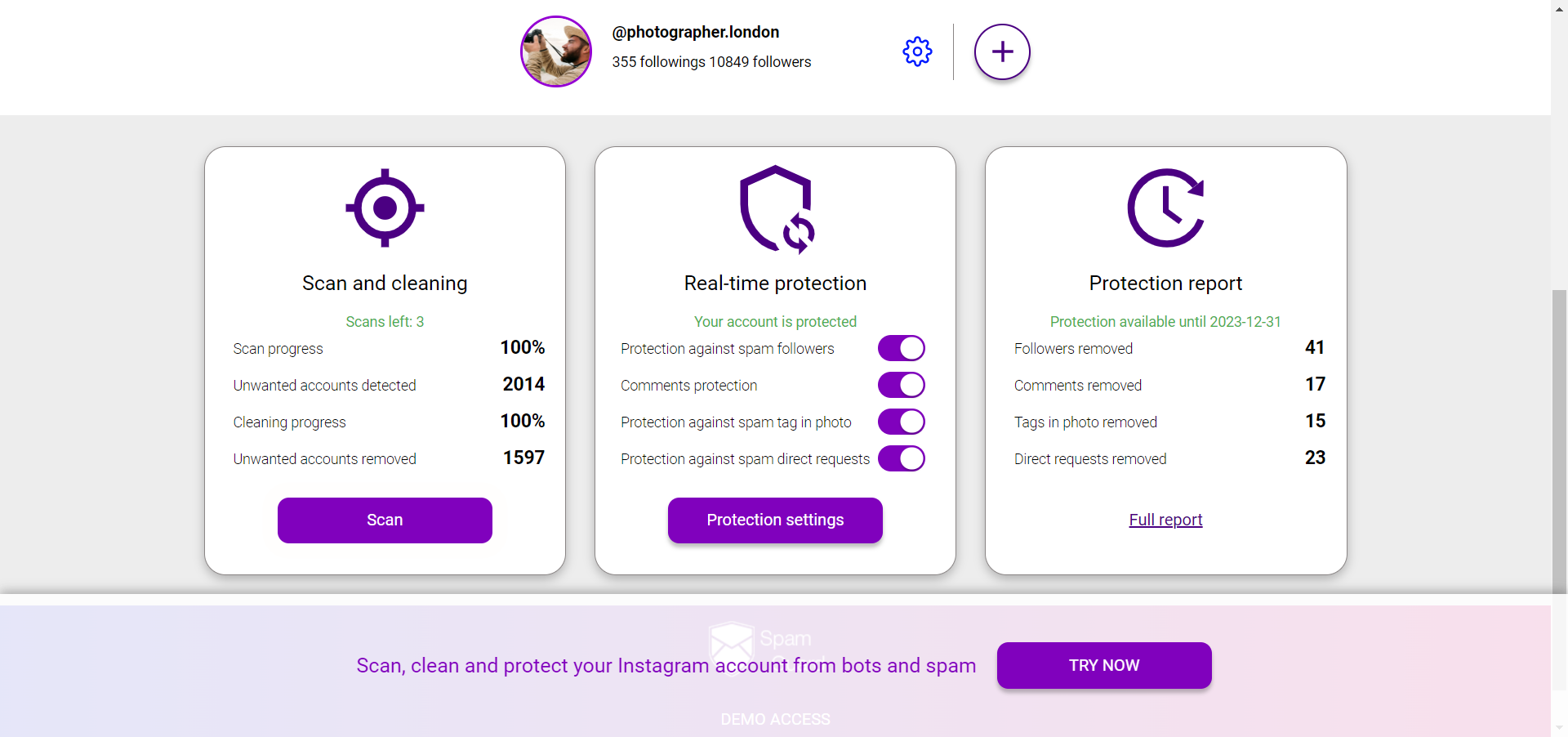
Purpose-built audience quality tools go deeper than manual analysis. SpamGuardanalyzes Instagram audiences to identify bot accounts, inactive followers, and suspicious engagement patterns — the kind of systematic analysis that would take hours to do manually. For brands running influencer campaigns at scale, automated audience audits before signing contracts are a standard risk management step.
The combination of manual checks (follower/engagement ratio, growth chart, comment reading) with an audience quality tool gives you both the pattern recognition that comes from looking at an account yourself and the systematic data that comes from analyzing thousands of data points. Either alone can miss things the other catches.
What Good Looks Like
Genuine micro-influencers (10K-50K) in specific niches often outperform larger accounts on conversion metrics. Their audiences chose to follow them for specific content, trust their recommendations, and respond to authentic endorsements. An influencer with 15K engaged followers in your exact target niche can outperform a 500K follower macro-influencer with inflated numbers.
The audit process sounds like work — and it is. But a single wasted influencer deal can cost more than the time spent auditing a dozen candidates. Build the checklist once and apply it consistently.